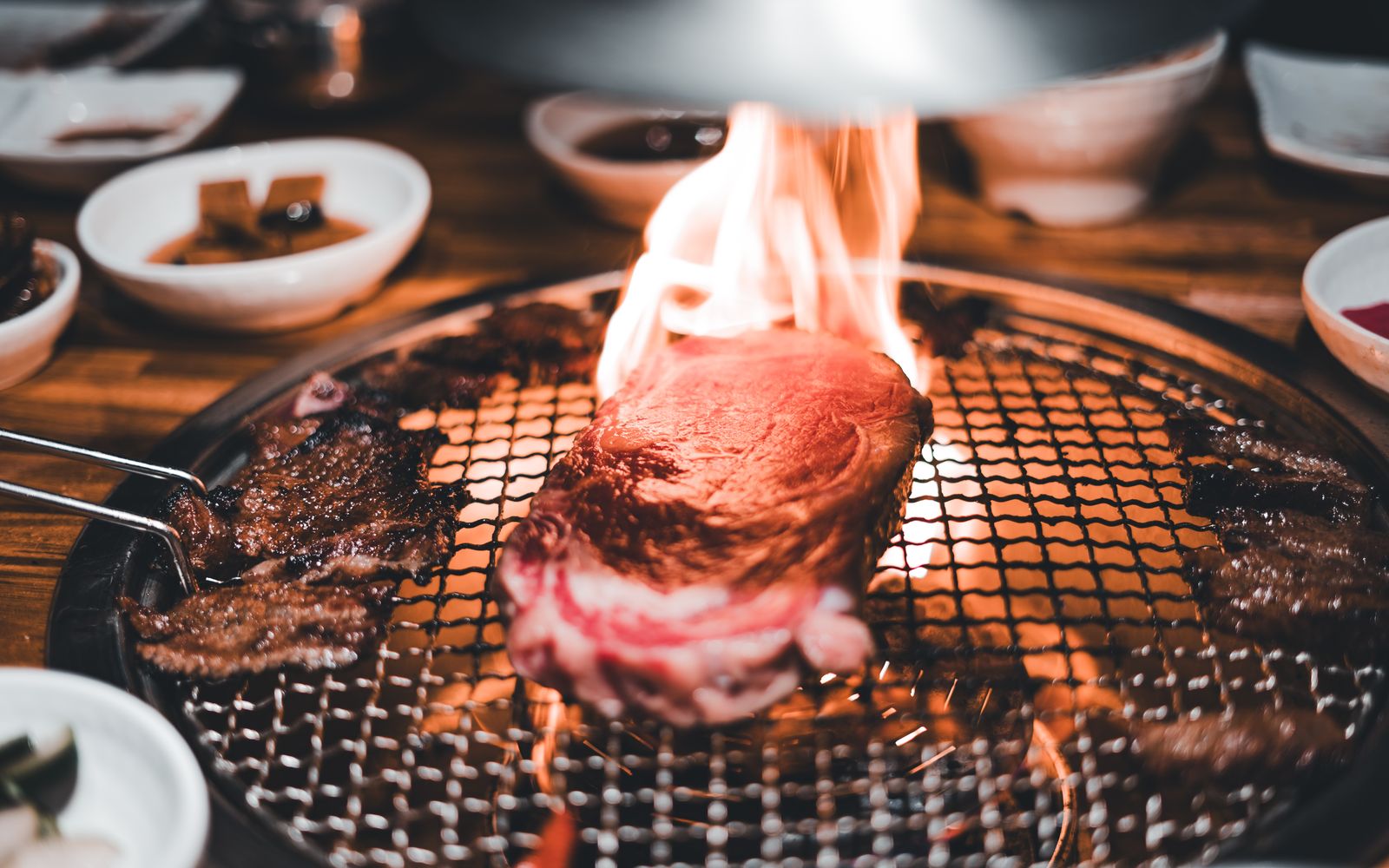
The short answer: If your grill smokes too much, fat is usually dripping onto the coals or the burners and burning there into white smoke. Move the food straight into an indirect zone (away from the direct heat) and clean the grate and grease tray. The thick smoke is then usually gone quickly.
Is your grill wrapping half the garden in a cloud of smoke, the meat tastes bitter and the neighbours are already looking over sceptically? Heavy smoking is one of the most common grilling problems, and it is almost always easy to fix once you know the cause. In this guide you will learn why your grill smokes, how to tell good blue smoke from bad white smoke, and which simple steps get the smoke under control straight away.
Why is my grill smoking so much?
Smoke when grilling appears when something burns that shouldn’t, usually fat and marinade dripping off the food. The most common causes are:
- Fat dripping onto the coals or the burners and burning there instantly.
- Too much or the wrong smoking wood, which smoulders instead of smouldering cleanly.
- Fatty, oily or sugary marinades that char in the heat.
- A dirty grill with an old, burnt-on layer of grease.
Often several factors come together. The good news: almost all of them can be fixed in a few minutes. First, it is important to read the smoke correctly, because not all smoke is bad.
Blue smoke or white smoke: what is the difference?
Professionals talk about “thin blue smoke”. It is almost transparent, rises with a slight bluish shimmer and smells pleasantly spicy. This smoke comes from clean, complete combustion and gives your food the fine smoky aroma you want.
White, dense smoke, on the other hand, is a warning sign. It appears when fat, oil or damp wood burn only incompletely. This smoke settles on the meat as soot and bitter compounds, and the result tastes harsh, ashy and unpleasant.
Black smoke is the worst level: here pure fat or soot is burning. If you smell or see black smoke, act immediately, because it can be a precursor of a grease fire.
Rule of thumb: a little light blue smoke is good. Lots of white or black smoke means something is burning that shouldn’t.
Fat dripping onto the coals: the most common cause
With fatty meat such as pork neck steaks, belly bacon, sausages or chicken with skin, melted fat runs downwards. If it lands directly on glowing charcoal or a hot burner, it burns at once and shoots up as thick smoke, often accompanied by flare-ups.
Here is how to get it under control:
- Pull the food aside immediately, to an area with no direct heat underneath.
- Trim the fat edges a little or put the meat on with the less fatty side first.
- On gas grills, a flame tamer or a grease tray helps keep dripping fat away from the burners.
- On charcoal grills, push the coals to one side and put the meat on the side without coals.
The most important lever is the indirect zone, more on that shortly.
Too much or the wrong smoking wood
Smoking chips and chunks are meant to deliver aromatic smoke, but only if they are dosed and used correctly. Two typical mistakes produce smoke instead of aroma:
- Too much wood at once. A large load of chips smothers itself, smoulders and produces thick white smoke. Use a small handful or one or two small chunks instead.
- Wood that is too wet. Soaking-wet chips first evaporate water and then smoulder instead of smouldering cleanly. Slightly dampened or dry in a smoker box usually works better.
The aim is an even, fine smoulder with thin blue smoke, not a mass of smoking wood. If you work with smoke a lot, it is worth a look at a pellet grill, which keeps smoke production very even.
Fatty marinade, oil and sugary sauces
A thickly applied oil or butter marinade drips into the heat just like the fat from the meat, and burns there into smoke. Sugary BBQ sauces also char quickly and turn bitter.
Here is how to avoid that:
- Lightly dab off the marinade before putting the food on and wipe off excess oil.
- Brush on sugary sauces only towards the end and over indirect heat, not over direct coals for the whole cooking time.
- Oil sparingly: a thin film of oil on the food is enough; the oil bottle doesn’t belong directly over the grill.
Dirty grill: an old layer of grease burns
If your grill smokes while preheating, even though no food is on it yet, an old layer of grease is almost always to blame. Over weeks, crusted fat builds up on the grate, flame tamers and in the grease tray, and it burns the next time you heat up.
Regular cleaning is therefore the best prevention:
- Burn off the grate: let the grill get hot, then brush the glowing grate thoroughly.
- Empty the grease tray and drip tray before too much fat collects.
- Scrape crusts off the flame tamers and inner walls from time to time.
A full, old grease tray is also a real fire hazard. The guide cleaning a gas grill shows you step by step how to get your grill properly clean.
The instant fix: set up an indirect grilling zone
The most effective trick against heavy smoking is an indirect zone. The food is not directly over the heat source but next to it, so dripping fat doesn’t land in the coals.
Here is how to set one up:
- Gas grill: only the outer burners on, with the food over the switched-off burner in the middle.
- Charcoal or kettle grill: pile the coals on one side, put the food on the free side and close the lid.
- Put a drip tray under the food in the indirect zone to catch dripping fat.
This way fatty meat cooks gently without fat dripping into open flames, and the smoke stays away. The guide direct and indirect heat explains exactly how direct and indirect heat work and when to use which.
When does heavy smoke become dangerous?
Mostly smoke is just a nuisance, but there are situations in which you must act immediately. If black smoke or even a flame comes out of the lid, it points to a grease fire starting.
Important safety rules:
- Never put water on burning fat. It causes a dangerous grease explosion.
- Close the lid and reduce the air supply to take the oxygen away from the fire.
- On a gas grill, turn off the gas at the cylinder.
- Keep a fire extinguisher or fire blanket close to the grill.
How to prevent a grease fire in the first place and react correctly in an emergency is covered in the guide preventing grease fires.
Conclusion: clean, indirect, sparing, and the smoke stays thin and blue
Heavy smoking is almost always a sign that fat, marinade or wood is burning incompletely. Keep your grill clean, work with an indirect zone, use smoking wood sparingly and dab off fatty marinades. Then, instead of thick white smoke, you get the fine blue smoke that makes your food really tasty. If your old grill keeps smoking despite all the care, fat may be running through leaking panels or a broken grease channel. In that case it may be worth a look at our grill finder to find a better-built model.